Why Your Focus Fades in the Afternoon (and What You Can Do About It)
The real reasons behind the 3 p.m. slump and practical, low-caffeine ways to beat it.
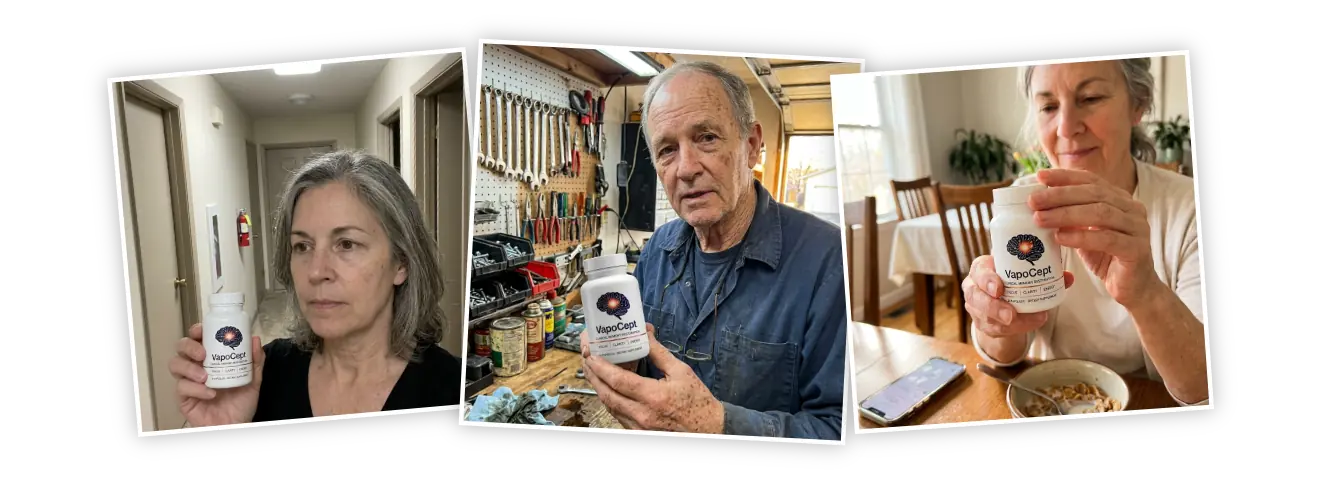
Afternoon brain fog is usually a mix of blood sugar swings, dehydration, poor sleep, sitting too long and natural energy rhythms. Simple fixes like a short walk, water, a protein-rich lunch and a consistent daily brain support routine such as VapoCept can help you feel steadier through the second half of the day.
Why Does Your Focus Fade After Lunch?
It's 2:45 p.m. You've read the same paragraph twice, your coffee is cold and the to-do list hasn't moved since noon. If that sounds familiar, you're in good company. The afternoon slump is one of the most common complaints among working adults and retirees alike, and it's rarely caused by just one thing.
The good news is that most of the causes are things you can influence. Let's break them down and look at practical, realistic ways to get your afternoons back.
What Are the Most Common Causes of the Afternoon Slump?
1. Your Body's Natural Rhythm
Your internal clock doesn't run in a straight line. For many people there's a natural dip in alertness in the early to mid-afternoon. That's partly why so many cultures built a rest period into the middle of the day. You can't remove the dip, but you can avoid making it worse.
2. The Lunch You Chose
A big, carb-heavy lunch can cause a quick rise in blood sugar followed by a drop. That dip often feels like heavy eyelids and scattered thoughts. Meals that balance protein, fiber and healthy fats tend to keep energy more even.
3. Not Drinking Enough Water
Many people hit the afternoon having had coffee but very little water. Mild dehydration is linked with lower concentration and more fatigue, and thirst signals often feel like tiredness rather than an urge to drink.
4. Hours of Sitting Still
Long stretches at a desk or on the couch slow circulation. Muscles that aren't moving don't push blood around as efficiently, and the brain feels it too.
5. Last Night's Sleep
Short or broken sleep piles up as "sleep debt," and it tends to show itself most clearly in the afternoon. Caffeine can mask it for a while, but it doesn't erase it.
Why Doesn't More Coffee Fix It?
Reaching for a second or third cup is the most common response, and it can work in the moment. The catch is how caffeine works. It blocks the signal that tells your brain it's tired, but the tiredness is still building underneath. When the caffeine wears off, you can feel worse than before. Late-day caffeine also tends to cut into sleep, which sets up an even bigger slump tomorrow.
That cycle is exactly why many people are looking for steadier, low-caffeine ways to support focus.
What Actually Helps You Beat the 3 P.M. Wall?
- Take a 10-minute walk after lunch. Light movement helps get circulation going and can soften the post-meal dip.
- Drink a full glass of water before your afternoon coffee. You may find you need less caffeine.
- Build lunch around protein and vegetables. Think grilled chicken salad with olive oil, or a lentil and veggie bowl.
- Step into daylight. Natural light is one of the strongest signals for alertness.
- Use the 50/10 rule. Work for 50 minutes, then stand, stretch or move for 10.
- Save hard tasks for your sharpest hours. Most people think best in the late morning. Schedule routine work for mid-afternoon.
- Protect tonight's sleep. Cut caffeine by early afternoon and keep a consistent bedtime.
Where Does a Supplement Like VapoCept Fit In?
Habits come first, always. But many adults also like to add a daily supplement as a foundation underneath those habits. That's the role VapoCept was designed for.
Instead of loading you up with caffeine, VapoCept is built around Ginkgo Biloba to support healthy blood flow to the brain, with turmeric and green tea for antioxidant support and green tea's L-theanine for calm attention. It contains only a trace of natural caffeine from green tea, so it won't feed the spike-and-crash cycle, and it's taken once a day, usually at breakfast, so it's working in the background long before the afternoon arrives.
It's not a cure for fatigue, and it isn't a substitute for sleep or a doctor's care. Think of it as one helpful piece of a bigger routine. You can read more about how VapoCept works or see the full ingredient list.
When Should You Talk to a Doctor?
Ordinary afternoon tiredness is normal. Check in with a healthcare provider if you notice:
- Exhaustion that doesn't improve with better sleep
- Memory changes that are new, frequent or getting worse
- Dizziness, shortness of breath or unusual weakness
- Fatigue alongside unexplained weight changes
These can have medical causes that deserve proper attention.
The Bottom Line
The afternoon slump is common, but it doesn't have to own your day. Move a little, drink more water, eat a balanced lunch, guard your sleep and build a steady daily routine. If you'd like a low-caffeine supplement to support that routine, VapoCept is designed to fit right in.
Frequently Asked Questions
Why do I get tired at 3 p.m. every day?
A natural dip in your body clock, a heavy lunch, dehydration, long periods of sitting and short sleep commonly combine to cause the afternoon slump.
What is the fastest way to beat the afternoon slump?
A short walk outdoors and a glass of water are two of the quickest, simplest ways to feel more alert without extra caffeine.
Can a supplement help with afternoon focus?
A low-caffeine supplement like VapoCept is designed to support circulation, antioxidant defenses and calm attention as part of a daily routine. It works best alongside good sleep, hydration and movement.
Build a Steadier Afternoon Starting Tomorrow
Pair healthy habits with one low-caffeine capsule at breakfast. Choose your VapoCept package and make it part of your morning routine.
 Claim Your Discount Now
Secure BuyGoods checkout • One-time purchase • 60 days to decide